A one-month reprieve for the intoxicating hemp industry survives, at least for now. The Senate voted 61-32 on Aug. 8 to table Sen. Ted Budd's amendment that would have stripped a 30-day delay from the chamber's continuing resolution, keeping federal restrictions on intoxicating hemp products locked in for Nov. 12 rather than pushed to Dec. 11. The vote crossed party lines and exposed a real split among Republicans over how fast Washington should move against a hemp-derived cannabinoid market that has operated with minimal federal oversight since the 2018 Farm Bill.
For retailers and operators watching this fight, the stakes go well beyond one senator's floor speech. Convenience stores, smoke shops, and even licensed dispensaries in adult-use states have built wholesale menus and SKU management around hemp-derived THC beverages, gummies, and vapes that skirt the tighter potency thresholds applied to state-licensed cannabis. A federal rule change that redefines hemp by total THC content, capping finished products at 0.4 milligrams per container, would gut a meaningful share of that inventory overnight. Operators managing multi-state supply chains already know the compliance burden of point-of-sale systems that track potency, batch testing, and age verification differently depending on jurisdiction; a platform built for a market like vermont weed point of sale compliance illustrates how granular these state-by-state requirements have already become, even before Congress finalizes a national standard.
Why the Delay Mattered to Both Sides
Budd's argument was straightforward: Congress voted nearly nine months ago to close what he called a hemp loophole, and every additional month of delay is another month intoxicating products stay on convenience store shelves. He leaned hard into consumer-safety framing, citing a steep rise in cannabis-related emergency department visits among minors in North Carolina and warning that packaging mimicking snack and candy brands makes it too easy for children to mistake a THC product for something harmless.
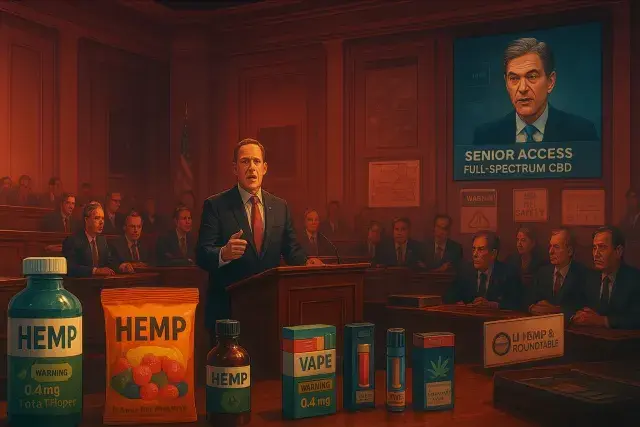
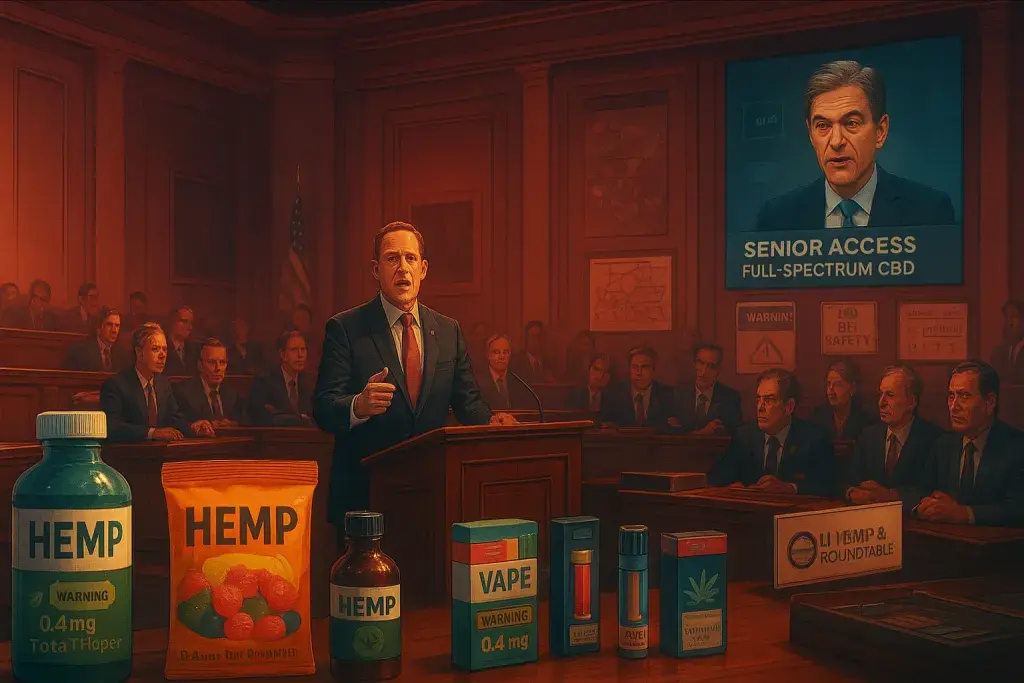
The opposing coalition - 105 organizations including the US Hemp Roundtable, the National Association of Convenience Stores, and several North Carolina hemp and brewing groups - framed the 30-day delay differently. Their argument: an abrupt cutoff gives Congress no time to build a real regulatory framework, one with good manufacturing practices, import restrictions on synthetic cannabinoids, and enforceable age limits. That's not a defense of unregulated sales so much as a bet that a phased approach produces better compliance outcomes than a hard deadline that simply erases products from wholesale menus without replacing them with clear rules.
What Operators Should Watch Next
The White House complicated matters further. CMS Administrator Dr. Mehmet Oz publicly warned that letting the broader restrictions take effect on schedule could disrupt access to full-spectrum hemp-derived CBD for seniors and people with disabilities, a claim Budd rejected as irrelevant to intoxicating products sold at gas stations. Meanwhile, a White House legislative aide told senators at a closed-door lunch that the administration will not seek another extension beyond the one already baked into the continuing resolution. That's a signal worth taking seriously: Dec. 11 may be the real deadline this time, not another moving target.
- Products exceeding 0.4 milligrams of total THC per container face removal from legal retail channels under the federal standard once it takes effect.
- North Carolina's own HB 328 would write the same THC threshold into state law, meaning state restrictions could outlast any future federal delay or rewrite.
- Multi-state operators and wholesalers should expect compliance requirements to diverge further between hemp-derived and state-licensed cannabis products until Congress settles on a unified framework.
North Carolina's own legislature remains stuck on a parallel track. HB 328 cleared the Senate 37-6 in early July but has stalled in the House, where Speaker Destin Hall says lawmakers agree the current unregulated hemp market can't continue but disagree sharply on the fix. That deadlock mirrors the federal fight almost exactly: prohibition by THC threshold versus a broader regulatory system built around testing, labeling, and age restrictions. Retailers and compliance teams in every state would do well to treat Nov. 12 and Dec. 11 not as abstract dates but as inventory deadlines, because whatever Congress ultimately decides, the products currently sitting on wholesale shelves may not stay compliant for long.