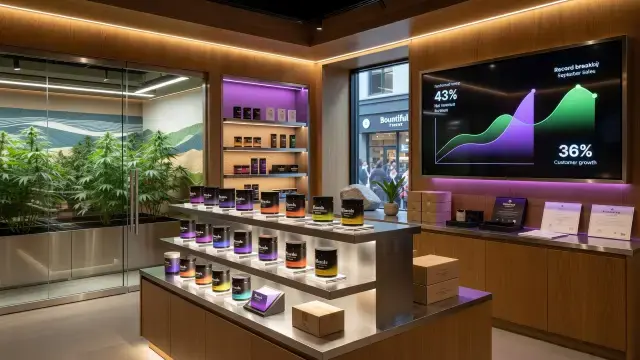
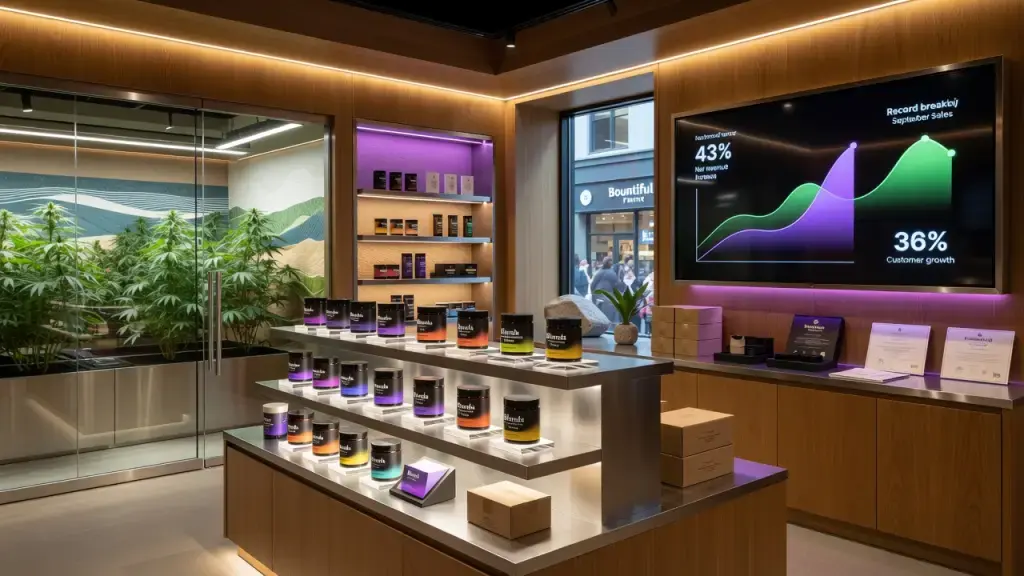
Bountiful Farms, a vertically integrated cannabis cultivator and retailer based in Massachusetts, is marking the first anniversaries of its Rowley and Framingham dispensaries this month. The milestone arrives alongside reported third-quarter growth of 43% in combined net revenue and a 36% increase in customer and patient counts quarter-over-quarter, with September posting the strongest sales figures either store has seen.
What the Numbers Signal in a Crowded Market
Massachusetts has no shortage of storefronts competing for the same wallet. Retail license counts have climbed steadily since adult-use sales began, and that density has done what density usually does: compressed wholesale pricing, squeezed margins, and forced operators to differentiate on something other than shelf space. Against that backdrop, a 43% revenue jump at two locations is notable - not because growth is rare, but because it's happening while plenty of competitors report flat or declining same-store performance. The thing is, growth alone doesn't tell you whether a business is healthy. It tells you demand existed. Whether that demand converts into sustainable margin depends on cost control further up the supply chain - cultivation yield, trim labor, packaging compliance, and the ever-present weight of 280E, the federal tax code section that bars cannabis businesses from deducting ordinary business expenses because the plant remains federally illegal.
Vertical Integration as a Buffer Against Pricing Pressure
Bountiful Farms' structure offers a partial explanation for its results. The company has operated in Massachusetts since 2021, running a cultivation facility in Lakeville alongside its original medical dispensary in Natick, before expanding into adult-use retail in Rowley and Framingham last fall. That vertical setup - growing, processing, and selling under one roof - lets an operator control its own supply chain rather than depend entirely on wholesale partners, a meaningful advantage when wholesale flower pricing in Massachusetts has trended downward for years. Owning cultivation doesn't eliminate cost pressure, but it does give an operator more levers: batch timing, strain selection, and the ability to move inventory between medical and adult-use channels depending on where margin and compliant packaging requirements align.
Product Innovation Inside a Regulated Framework
In August, the company introduced Blends, a six-product live hash rosin line with Massachusetts-themed names such as Plum Island Purple and Plymouth Rock Papaya. New product launches in this category require the usual regulatory groundwork - lab testing for potency and contaminants, a certificate of analysis for each batch, and compliant packaging that meets state child-resistant and labeling standards before anything reaches a POS terminal. None of that is optional, and it's worth remembering that concentrate categories like live rosin face tighter manufacturing and testing scrutiny than flower, given the extraction process involved. For retailers, a new product line is also a SKU management exercise: forecasting demand, managing budroom inventory turnover, and avoiding the kind of overstock that ties up cash in a market where prices can shift from one quarter to the next.
What This Means for Operators Watching From the Sidelines
For other Massachusetts license holders, the lesson isn't that independent retailers always outperform. It's that an established supply chain, built over several years rather than assembled quickly to chase adult-use licensing, can matter more than store count. Multi-state operators and newer entrants alike are watching how smaller, in-state companies navigate excise tax obligations, local zoning restrictions, and social equity program requirements while still posting growth. Massachusetts regulators continue to balance consumer access against public health safeguards - age verification at point of sale, seed-to-sale tracking through the state's traceability system, and advertising limits designed to keep marketing away from minors. Any retailer's growth story sits inside that framework, not outside it. Fair enough to call a strong quarter encouraging; it's not evidence that the broader pricing and competitive pressures facing Massachusetts cannabis retail have eased.