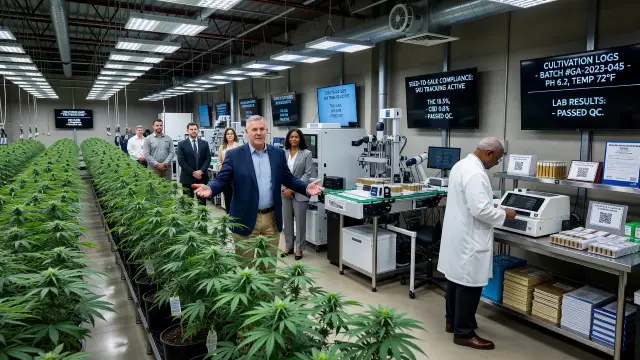
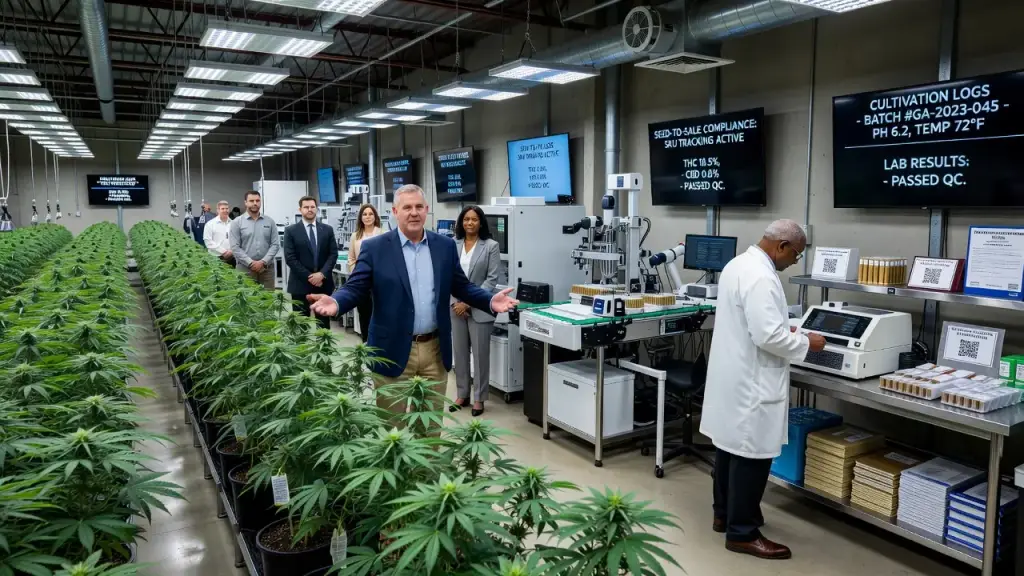
A Macon dispensary operator is betting that firsthand exposure beats another round of legislative testimony. Georgia Fine Fettle, one of only three licensed medical cannabis producers in the state, recently walked lawmakers, physicians, and patients through its cultivation and manufacturing facility in Macon-Bibb County. The goal, according to market president Judson Hill, was straightforward: let legislators see the controlled, regulated process behind the product before they vote on bills that keep dying in committee.
That's not a small distinction in a state where medical cannabis has been legal for a decade but access remains narrow. Georgia's program operates under tight vertical integration, meaning licensed operators like Fine Fettle grow, manufacture, and distribute under one roof, with cultivation logs, batch tracking, and product testing documented at every stage. Operators running this kind of seed-to-sale operation increasingly rely on specialized back-end systems to keep inventory, compliance records, and manufacturing data aligned, the sort of infrastructure that platforms such as cannabis erp software california have built out for larger, more mature markets. Georgia's program is nowhere near that scale, but the operational discipline required looks similar: three licensed producers means every SKU, every product batch, and every compliance log carries outsized weight if something goes wrong.
Why the Legislation Keeps Stalling
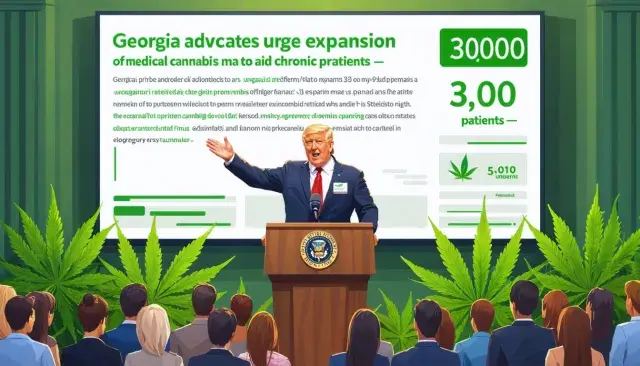
Senate Bill 220 and House Bill 227 both aimed to expand the state's medical cannabis program this session, and both stalled in their respective chambers. The bills would have eased the process for Georgians to obtain a medical cannabis card and updated allowable product forms, changes aimed at giving patients more effective delivery options than what's currently approved. For an industry watching license caps and product restrictions closely, that stall matters. Limited product forms translate directly into limited treatment options, and a program capped at three producers has little room to absorb demand if eligibility expands without matching supply infrastructure.
The Access Gap Physicians Are Flagging
Dr. Elmore Alexander, who joined the facility tour, put the clinical concern in blunt terms: existing products address roughly 80 percent of patients, but the remaining fraction needs formulations the state hasn't yet authorized. That's a supply-chain and regulatory problem as much as a medical one. Expanding product forms means updating manufacturing licenses, lab testing protocols, and compliant packaging standards before anything reaches a dispensary shelf. None of that happens overnight, and it doesn't happen without legislative sign-off.
What Lawmakers Took Away
State Representative Anissa Jones, who toured the facility, said the visit clarified how tightly controlled the cultivation and manufacturing process actually is compared to public assumptions. "It's just not folks out there just growing stuff wild in nature," Jones said, noting the value of seeing consistent, repeatable production firsthand. That kind of exposure matters for a legislature that has repeatedly declined to move these bills forward. Whether it translates into votes next session is an open question, but operators clearly see education as their best remaining lever.
For dispensary operators and prospective license holders watching Georgia's market, the standoff is a reminder that medical cannabis programs don't expand on patient demand alone. They expand when regulators, lawmakers, and physicians align on product access, and that alignment remains unfinished business in Georgia.