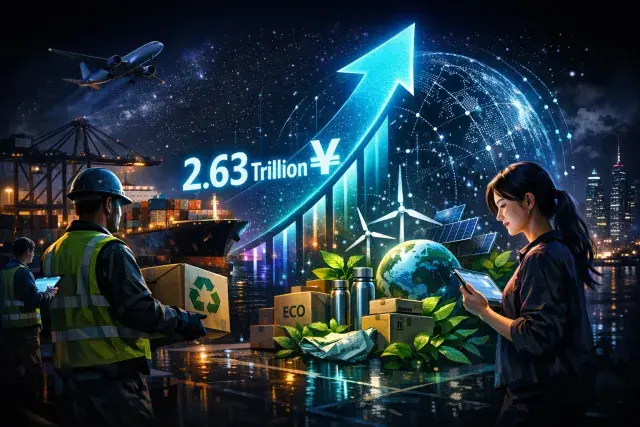
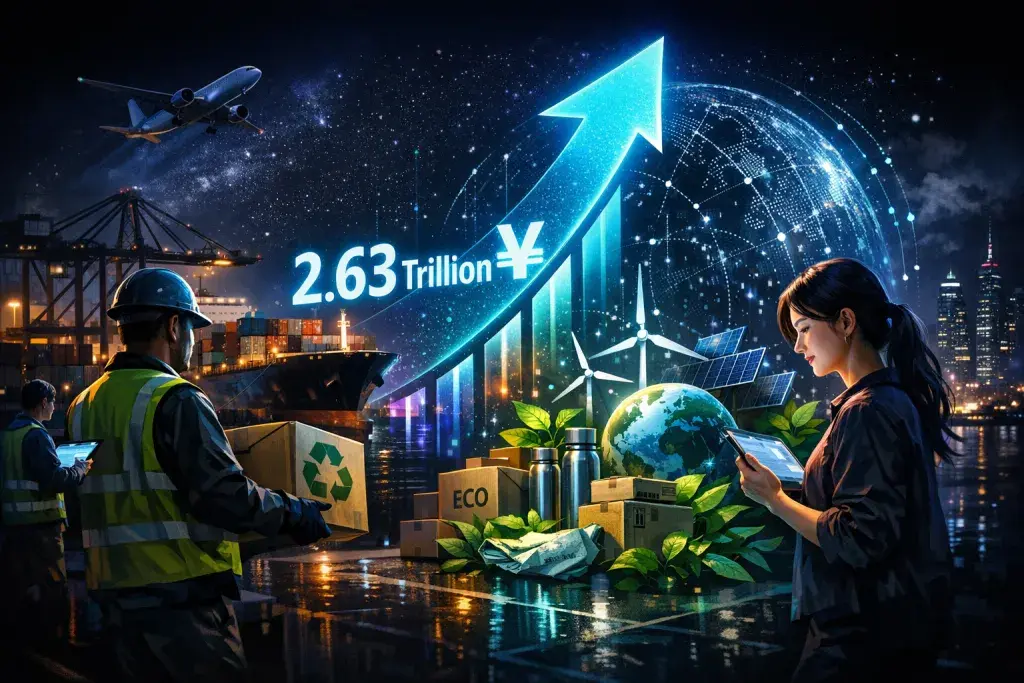
China's cross-border e-commerce market has doubled in size over six years, hitting 2.63 trillion yuan in 2024 from 1.06 trillion in 2018. B2B deals dominate, making up over 70 percent of the total and fueling a shift from breakneck growth to steadier, high-quality expansion. This boom stabilizes foreign trade even as global supply chains strain—yet sustainability demands are forcing exporters to rethink their playbooks.
B2B Backbone Powers Digital Tradeover
Platforms like Alibaba and others slash middlemen, wiring producers straight to overseas buyers in B2B flows or households via B2C. Transaction costs drop; supply chains tighten. In China, that math added up fast: the 2018 baseline doubled and then some by 2024, per a recent Frontiers in Sustainability analysis. B2B's outsized share—north of 70 percent—shows bulk goods, not trinkets, driving the engine. The catch? Early growth chased volume. Now, policymakers eye quality: resilient exports that weather tariffs or disruptions.
From Volume to Value: High-Quality Pivot
What's striking here—China's trade ministry has steered the sector toward "high-quality development." Exports via these channels prop up overall foreign trade, buffering slowdowns elsewhere. Digital platforms handle logistics, payments, even customs clearance at scale. Under the hood, blockchain pilots and AI forecasting cut delays; reusability in packaging starts to show up. No one was asking for a full green overhaul mid-boom, but it fits the global script—table stakes for accessing EU markets or U.S. buyers demanding carbon tallies.
Green Mandates Reshape Export Playbooks
Beijing's response: a slate of policies promoting green trade, from subsidies for recyclable materials to incentives for low-emission logistics. Recyclable, reusable packaging isn't optional anymore; it's baked into pilot zones like Hangzhou or Shanghai. Downstream effects ripple—firms investing in green R&D gain edge in compliance-heavy markets. Risks linger, though: smaller exporters lag on upfront costs, potentially widening gaps between giants and minnows. Still, this meshes with worldwide sustainability drives; China's CBEC could model how digital trade goes carbon-lean without gutting efficiency.
Ahead: Stability Meets Sustainability
To put it plainly, CBEC's trajectory points to steadier global trade contributions from China—assuming green innovation sticks. Platforms evolve; expect more data-sharing for circular supply chains. The long tail? Broader adoption could attenuate trade frictions, but only if policies match rhetoric with enforcement. For now, 2.63 trillion yuan signals momentum—not flawless, but pointed.